
Usually, the conversation starts with “hard water”, those minerals that leave white spots on your shower glass or build up in your kettle. But lately, we’ve been getting more questions about PFAS because of a 2026 study by the University of Adelaide.
If you’ve been wondering whether it’s time to look into home filtration, here is a practical, no-nonsense breakdown of what’s going on and what your options are.
What is PFAS?
PFAS (per- and polyfluoroalkyl substances) are man-made chemicals used for decades in all sorts of products. They are often called “forever chemicals” because they don’t break down easily.
The recent University of Adelaide study looked at how trace levels of these substances can stay in our water supply. While SA Health says our tap water still meets official safety standards, the study has made many local families think twice about what’s coming out of their taps.
Why Most Adelaide Locals Look into Filtration
In our experience, most Adelaide homeowners choose filtration for a mix of reasons. It’s rarely just about one news story; it’s usually about the two main things we deal with here in SA:
- The Hard Water Reality: We have some of the hardest water in the country. Over time, that white build-up doesn’t just look bad on your kettle, it can lead to blocked drains and can take years off the life of your dishwasher or hot water system.
- Taste and Consistency: Even when water is safe, it doesn’t always taste great. Chlorine and other elements can give the water a chemical smell or a bit of a metallic aftertaste that ruins a good cup of tea or coffee.
Choosing the Right Setup for Your Home
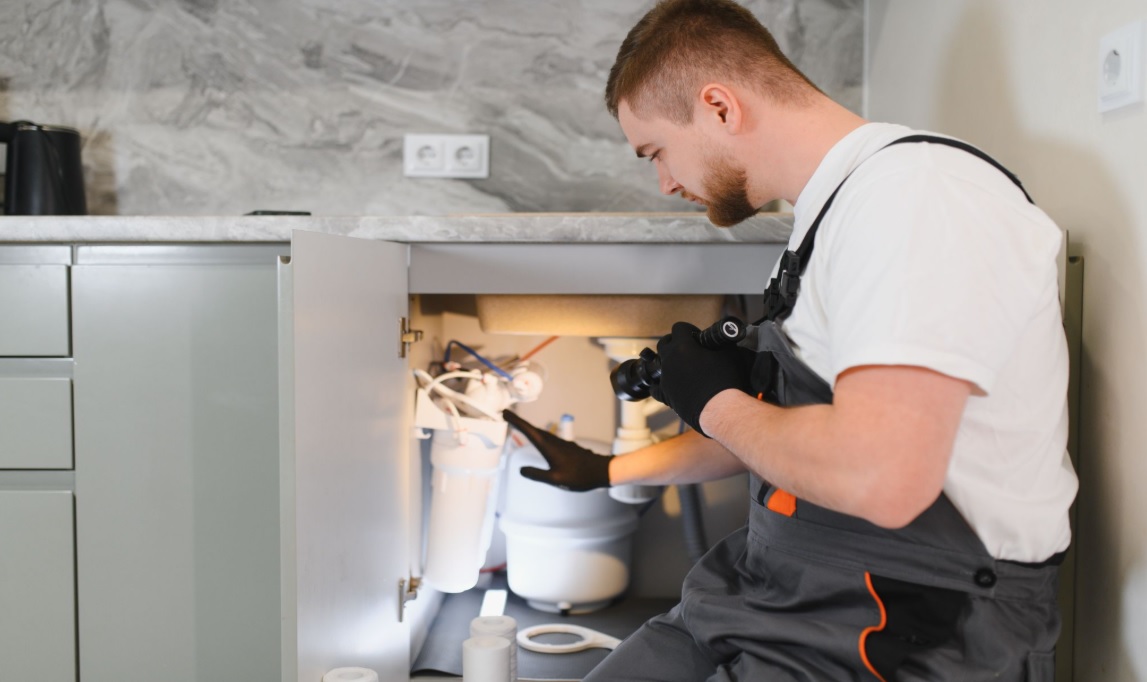
- Under-Sink Carbon Filters: These are great if you just want better-tasting drinking water. They’re excellent at removing that chlorine smell.
- Reverse Osmosis (RO): If you’re looking for the most thorough filtration for things like PFAS or heavy metals, RO is the industry standard.
- Whole-Home Filtration: This is for homeowners who want to protect the whole house, from the shower to the laundry, from scale and sediment.
You can see the differences in our home water filtration guide.
Honest Advice from Local Experts
We aren’t here to tell you the sky is falling. Adelaide’s water is managed by world-class experts at SA Water. However, we also know that many of our customers want more control over what they’re drinking and want to make sure their appliances last as long as possible.
As a local team, we’ve seen the inside of enough pipes to know exactly what a good filter can catch. We are here to help with honest, professional advice, whether you’re facing a plumbing emergency or just ready to chat about your filtration options.
Curious about which system is right for your home? Contact the team at All Elements Plumbing & Gas for a chat today.
Frequently Asked Questions
Is Adelaide tap water safe to drink in 2026?
While SA Health maintains that our mains water meets current Australian standards, the recent University of Adelaide study has raised new questions about long-term exposure to trace chemicals. Many local families are choosing home filtration as a proactive way to ensure their water is as pure as possible.
Does boiling my water remove PFAS?
No. Boiling water is effective for killing bacteria, but it does not remove “forever chemicals” like PFAS. In fact, because some water evaporates during the boiling process, the concentration of chemicals left in the pot can actually increase.
What is the best way to remove these chemicals at home?
The 2026 study noted that carbon filtration was a successful way to remove these trace substances. For those wanting the highest level of protection, a Reverse Osmosis (RO) system is the industry standard for removing microscopic contaminants.
Official Sources
If you want to look into the details yourself, here are the links we’ve been following:
- University of Adelaide: 2026 Water Quality News
- SA Water: Latest PFAS Testing & Results
- SA Health: General PFAS Information

